Kenya Safari FAQs: Everything to Know Before Your 2026/2027 Adventure
Planning your first Kenya safari brings plenty of questions. When should you travel? How much should you budget? Which parks should you visit, and what should you pack?
This Kenya safari guide answers common questions to help you compare options and prepare for your journey. Whether you are considering a short Maasai Mara trip or a longer safari and beach holiday in 2026 or 2027, start with your interests, available time and budget.
1. What Is a Safari?
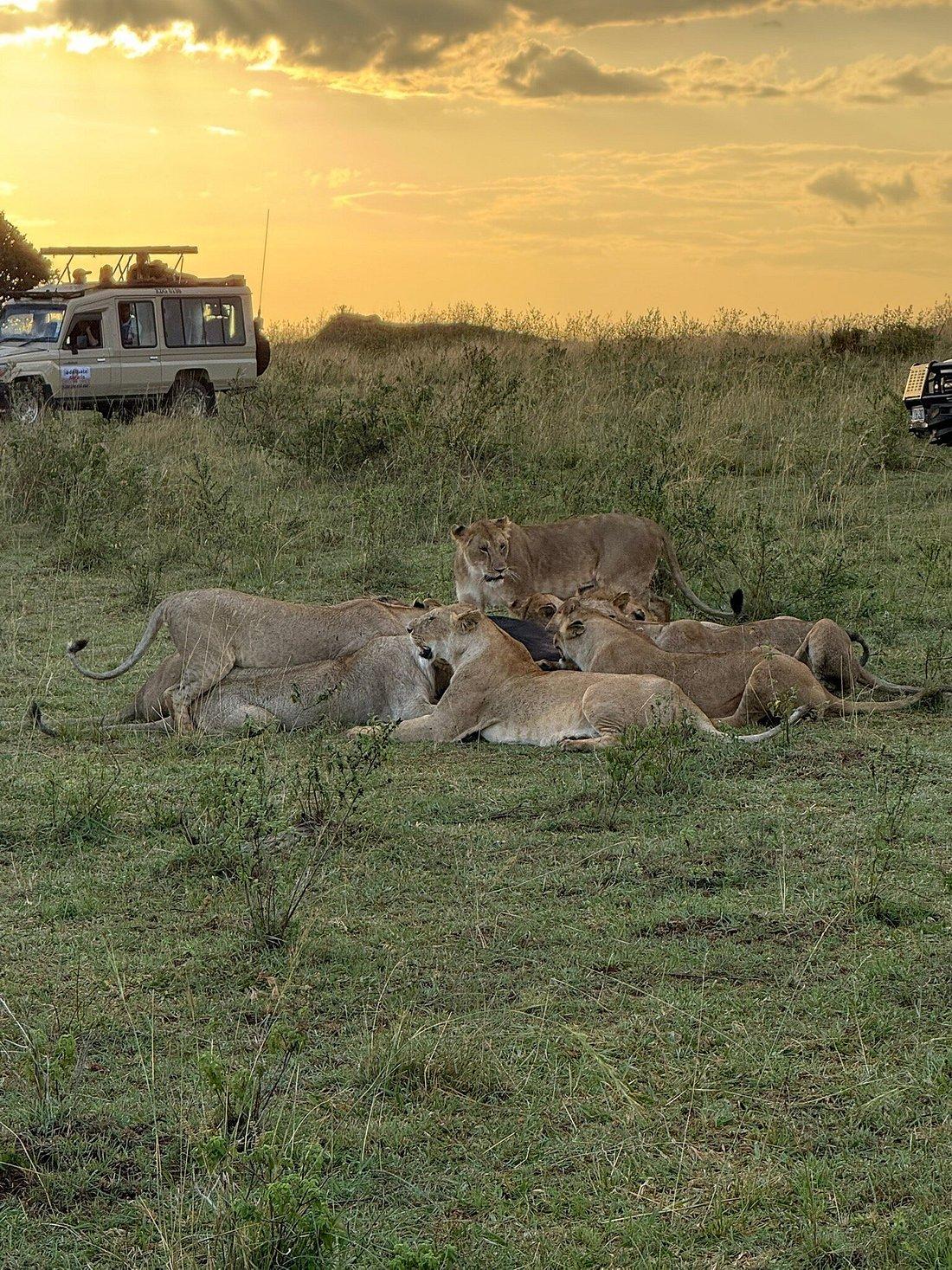
A safari is a journey focused on observing wildlife in its natural environment. In Kenya, it commonly involves guided game drives through national parks, reserves or conservancies.
Depending on the destination and booking, your itinerary may also include birdwatching, cultural visits, walking activities or a balloon flight. Confirm which experiences are included before paying.
2. When Is the Best Time to Visit Kenya for a Safari?
The best time depends on your destinations and priorities. Kenya’s tourism board identifies December to March and July to October as popular travel periods associated with generally dry, warm conditions. Weather still varies by region and year.
Choose dates around your main interest, whether that is wildlife photography, migration viewing or a quieter holiday.
3. When Can I See the Great Migration?
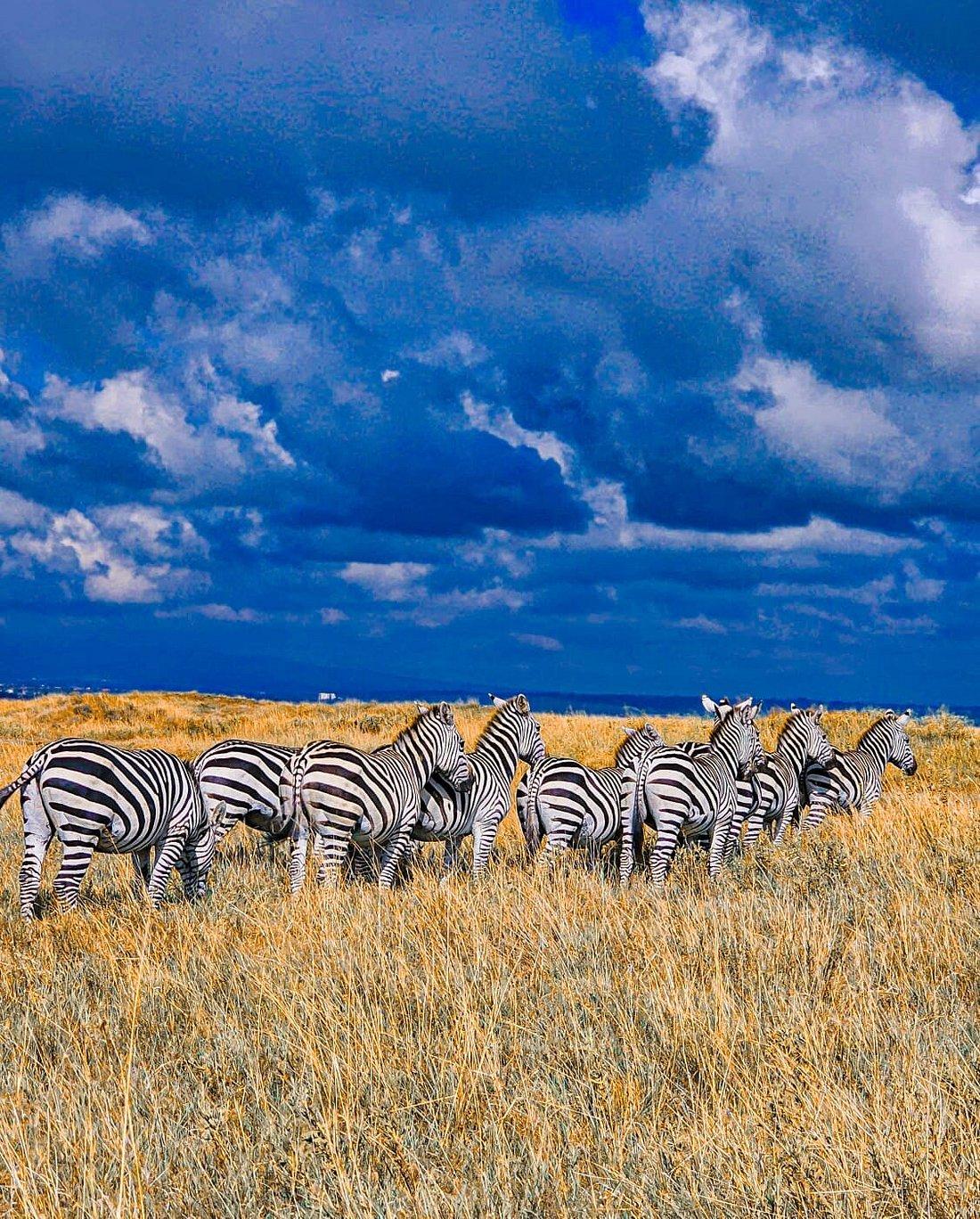
July to October is the usual planning window for migration viewing in the Maasai Mara. Herd movements follow rainfall and grazing conditions rather than fixed dates.
A migration safari does not guarantee a river crossing. Allow several game drives and enjoy the wider wildlife experience instead of building your entire holiday around one event.
4. How Much Does a Kenya Safari Cost?
There is no single price. Your quotation depends on travel dates, accommodation, duration, group size, transport and whether you choose a private or shared safari.
Compare packages with similar inclusions. A lower headline price may exclude entrance fees, transfers or activities. Request a written breakdown and ask whether the quoted amount is per person, per night or for the complete trip.
5. What Should a Safari Package Include?
Ask your operator to specify:
Accommodation and meal arrangements.
Transport and airport transfers.
Guided game drives.
Park or conservancy entrance fees.
Optional activities and exclusions.
Confirm payment schedules, cancellation terms and any additional charges. Clear details make it easier to compare Kenya safari packages accurately.
6. How Many Days Do I Need?
For planning purposes, three or four days can suit a focused visit to one destination. Seven to ten days provides more room for multiple locations and rest.
These are suggested durations, not rules. Check actual driving times before adding destinations. Spending longer in fewer places often creates a more enjoyable holiday than changing accommodation every night.
7. Which Kenya Safari Destinations Should I Choose?
Choose parks according to your interests. Amboseli is associated with elephants and Kilimanjaro views, while Lake Nakuru offers opportunities to explore rhino conservation and lake habitats.
The Maasai Mara, Tsavo, Samburu and Ol Pejeta offer further options. Ask for a route that balances wildlife interests with realistic transfer times.
8. Will I See the Big Five?
The Big Five are lion, leopard, elephant, buffalo and rhinoceros. Seeing all five is possible on a suitable itinerary, but sightings cannot be guaranteed.
Animals move freely, and visibility depends on habitat, weather and timing. Tell your planner which species interest you so they can recommend appropriate destinations.
9. What Happens on a Typical Safari Day?
A day may start with an early game drive, followed by meals and rest at your accommodation. Another drive may take place later, or your itinerary may include a longer outing with a packed lunch.
Schedules vary. Ask about drive duration, meal arrangements and time to relax, especially when travelling with children.
10. Is a Private Safari Better Than a Shared Safari?
A private safari gives your travelling party its own vehicle and more flexibility within park rules and the itinerary. A shared safari can spread transport costs among guests.
Confirm vehicle capacity, seating arrangements and departure requirements. The best choice depends on your budget, group and preferred pace.
11. What Should I Pack for a Kenya Safari?
Pack lightweight clothing, a warm layer for cool mornings, comfortable shoes, sun protection, binoculars and a camera or phone.
Bring chargers and spare batteries where needed. Ask about laundry facilities and baggage limits before packing, particularly if your journey includes a small-aircraft transfer.
12. Are Safaris Suitable for Children?
A safari can suit families when the itinerary reflects children’s ages and needs. Shorter drives, rest breaks and suitable accommodation can improve the experience.
Check minimum ages for activities, room arrangements and supervision requirements. Tell your operator about your children before booking rather than assuming every experience is suitable.
13. What Is the Difference Between a Lodge and a Tented Camp?
A lodge generally uses permanent buildings, while a tented camp uses tent-style accommodation. However, a tented camp can still have comfortable beds, private bathrooms and extensive facilities.
Compare the actual room specification. Check bathroom arrangements, electricity, accessibility and location instead of judging comfort by the accommodation label.
14. What Travel Documents and Health Preparation Do I Need?
Check Kenya’s official travel-authorisation website for requirements applicable to your nationality and journey. Use official guidance when preparing for departure, as requirements can change.
For health preparation, consult a qualified travel-health professional about your itinerary and personal needs. Ask your insurer about medical care, evacuation and activity coverage.
15. How Do I Travel Responsibly Around Wildlife?
Follow your guide’s instructions and park rules. Give animals space, avoid feeding them, keep noise low and leave no litter. Kenya Wildlife Service provides visitor rules for its protected areas.
For community visits, respect your hosts and ask before taking photographs. Responsible choices help protect both wildlife and the visitor experience.
16. Can I Combine a Safari with a Beach Holiday?
Yes. A Kenya safari and beach holiday can balance wildlife viewing with coastal relaxation.
Plan transfers together and allow enough time for each part of the journey. Check transport, accommodation and activity costs before confirming your beach extension.
Plan Your Kenya Safari with Guru Grandview Expeditions
Still deciding where to go or which package suits you? Contact Guru Grandview Expeditions to discuss your 2026/2027 Kenya safari and request a personalised quotation.
Send your travel dates, number of travellers, preferred destinations and approximate budget.
Call: +254 708 242 550
Email: info@gurugrandviewexpeditions.com
Your safari starts with a conversation—share your plans today.
Share this article