Maasai People and Culture: Discovering One of East Africa's Most Iconic Communities
Who Are the Maasai?
The Maasai are a Nilotic-speaking community living primarily in southern Kenya and northern Tanzania. They are traditionally pastoralists, with cattle playing an important role in their economy, social life, and cultural identity.
However, modern Maasai communities are diverse. Many continue pastoral traditions while also participating in education, business, tourism, conservation, agriculture, and other professions.
This combination of tradition and modern life makes contemporary Maasai culture particularly fascinating.
The Importance of Cattle
Cattle have historically been central to Maasai society.
Livestock can represent:
✔ Wealth and social status
✔ Food and household livelihood
✔ Family connections
✔ Community identity
✔ Traditional ceremonies and exchanges
Cattle are more than simply livestock. They have historically played an important role in relationships, celebrations, negotiations, and community life.
The Famous Maasai Clothing
One of the most recognizable aspects of Maasai culture is traditional clothing.
The brightly colored shúkà, often associated with red, blue, black, or other striking colors, creates the distinctive appearance that visitors immediately associate with Maasai communities.
Color can carry cultural meaning, while clothing styles can vary according to age, occasion, location, and individual preference.
And then there is the beadwork.
Maasai Beadwork
Maasai beadwork is both beautiful and culturally significant.


6
Necklaces, bracelets, earrings, belts, and other ornaments are traditionally handmade using colorful beads.
Different colors and designs can communicate aspects of identity, age, status, or occasion.
For travelers, purchasing authentic handmade beadwork can also provide direct economic support to local artisans and families.
Maasai Music and Dance
If you've ever experienced a Maasai cultural performance, you probably remember the energy before you remember anything else!
Traditional Maasai singing and dancing are important forms of cultural expression. The famous jumping dance is particularly recognizable, with participants demonstrating strength, coordination, rhythm, and endurance.
But there is much more to Maasai music than jumping.
Songs can accompany ceremonies, celebrations, social occasions, and everyday community life. The rhythmic singing, chanting, movement, and distinctive vocal styles create an unforgettable cultural experience.
The Maasai Manyatta
A traditional Maasai settlement is often referred to as a manyatta.
Homes have traditionally been constructed using locally available materials, with women historically playing a major role in building and maintaining them.
A visit to a Maasai community can provide insight into:
✔ Traditional housing
✔ Livestock keeping
✔ Food preparation
✔ Beadwork
✔ Family life
✔ Community organization
✔ Traditional knowledge
For responsible travelers, the experience should focus on genuine cultural exchange rather than treating communities as attractions.
Maasai Community and Conservation
The relationship between Maasai communities and wildlife conservation is particularly important in Kenya.
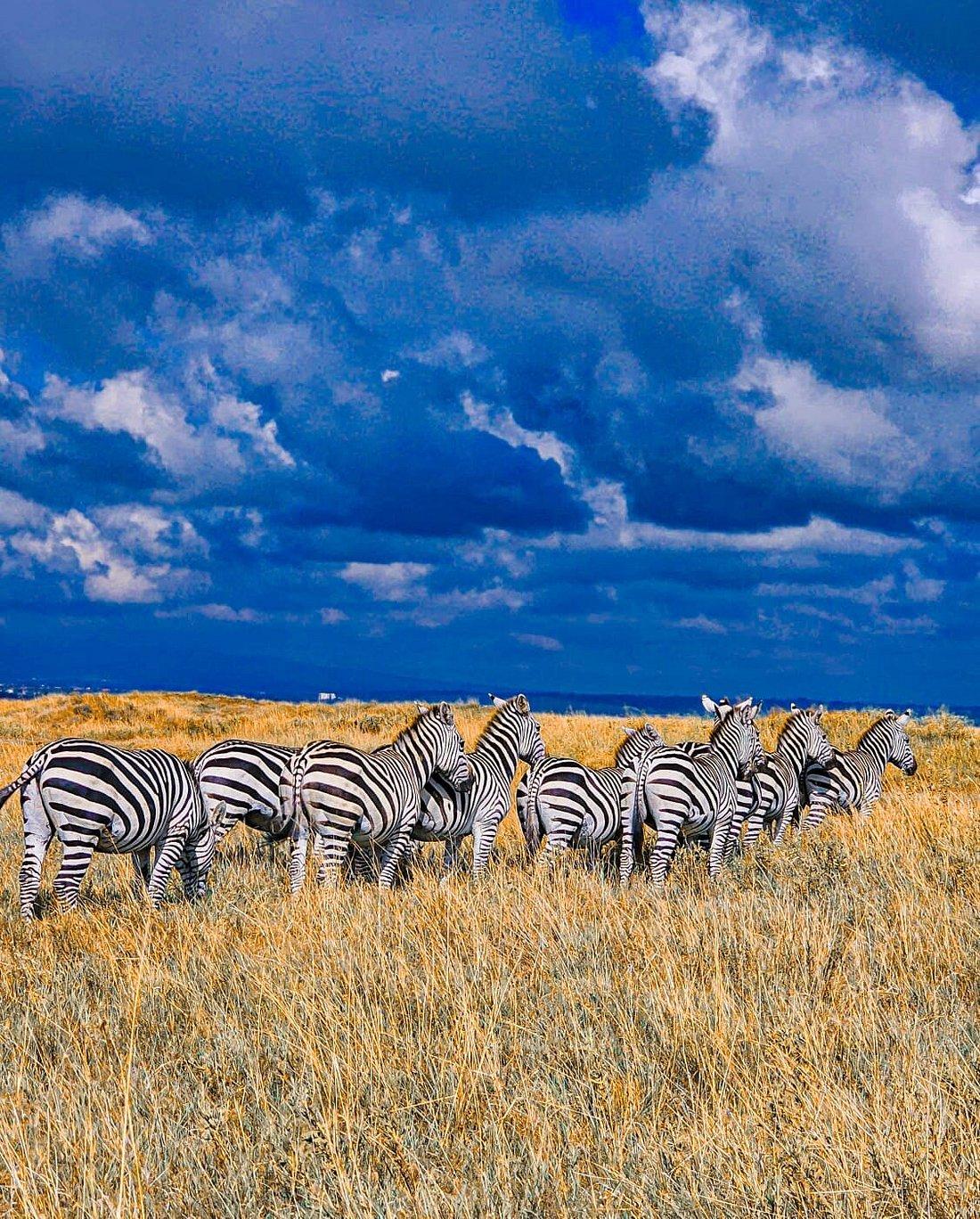
Many Maasai communities live alongside some of the country's most famous wildlife areas, including the greater Maasai Mara ecosystem.
Community conservancies have created opportunities for local communities to participate in tourism and conservation while generating income and protecting wildlife habitats.
This has helped create a stronger connection between tourism, livelihoods, and conservation in parts of the Maasai landscape.
Maasai Culture and Tourism
For international visitors from the USA, UK, Canada, Australia, and Europe, a Maasai cultural experience can add an entirely different dimension to a Kenya safari.
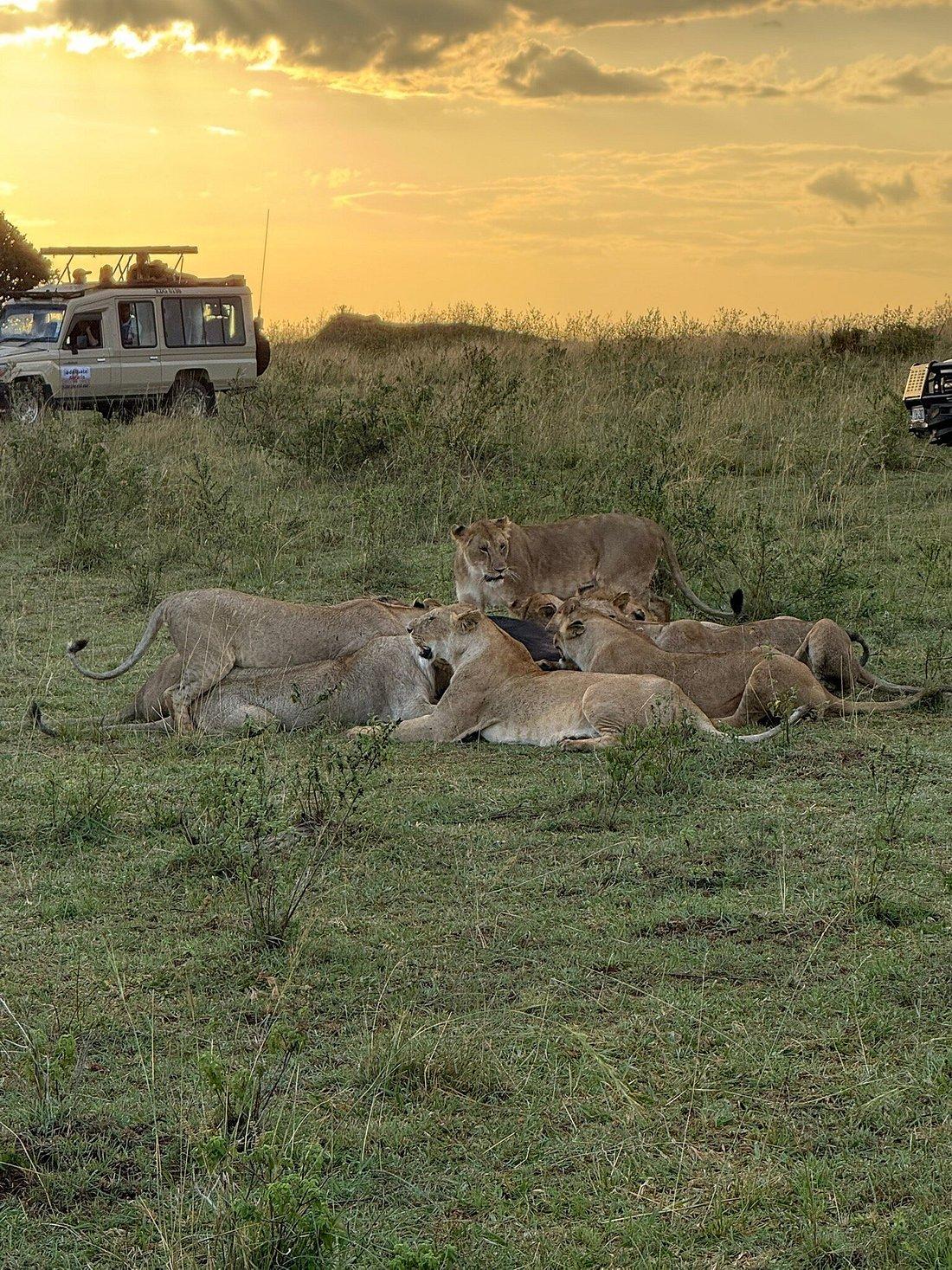
Imagine spending the morning watching lions in the Maasai Mara and the afternoon listening to Maasai songs, learning about traditional customs, meeting community members, and admiring handmade beadwork.
Suddenly, your safari becomes more than a wildlife trip.
It becomes a journey into Kenya's living heritage.
Responsible Maasai Cultural Experiences
Cultural tourism is most meaningful when communities benefit directly and visitors approach the experience with respect.
When visiting a Maasai community:
✔ Ask before taking photographs
✔ Respect local customs
✔ Purchase crafts directly from artisans where possible
✔ Listen to community guides
✔ Avoid making assumptions about traditional life
✔ Treat people as hosts and individuals, not tourist attractions
The best cultural experiences are based on curiosity, dignity, and genuine interaction.
Experience Maasai Culture with Guru Grandview Expeditions
At Guru Grandview Expeditions, we believe that experiencing Kenya means discovering both its incredible wildlife and its remarkable people.
We can incorporate cultural experiences into your Maasai Mara safari and wider Kenya itineraries, giving travelers an opportunity to learn about Maasai traditions while supporting community-based tourism.
Whether you're visiting Kenya for a safari, honeymoon, family holiday, or cultural adventure, meeting local communities can become one of the most memorable parts of your journey.
Kenya is not only about the animals.
It is about the people, stories, traditions, landscapes, music, food, and cultures that make the country extraordinary.
And when the singing starts and the colorful beads begin to move, don't be surprised if your feet start following the rhythm!
📞 Call or WhatsApp: +254 708 242 550
📧 Email: guru.org.coke@gmail.com
🌍 Website: Guru Grandview Expeditions
Share this article